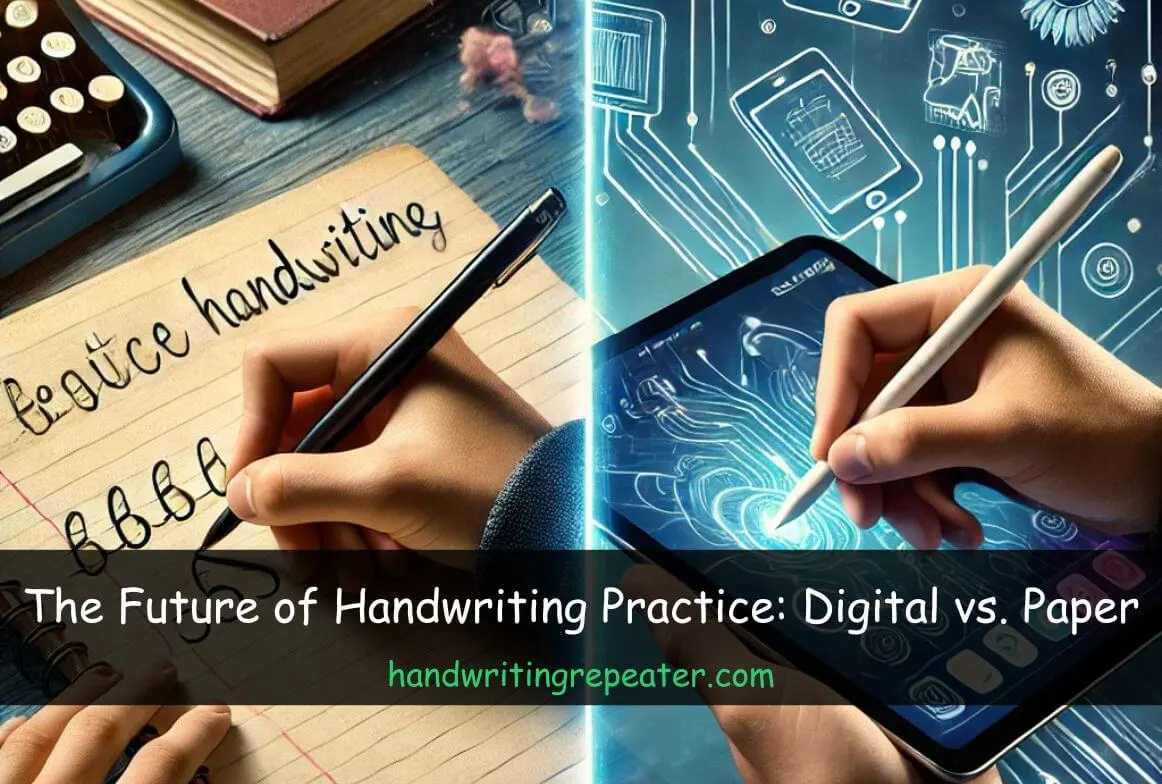
Handwriting has always been a fundamental skill, but with the rise of digital technology, traditional paper-based practice is facing competition. The future of handwriting practice is now a debate between digital tools and traditional methods. Which one is better for learning, retention, and creativity? Let’s explore both sides to understand how handwriting practice is evolving.
The Benefits of Traditional Paper Handwriting
Paper-based handwriting practice has been around for centuries and remains a popular choice for learners of all ages. Here are some of its key benefits:
- Better Retention and Memory – Studies show that writing on paper helps improve memory retention compared to typing or using digital tools. The physical act of forming letters engages the brain more effectively.
- Enhanced Motor Skills – Holding a pen or pencil and writing on paper helps develop fine motor skills, especially in young children.
- Reduced Screen Time – In an era dominated by screens, using paper-based handwriting practice can provide a healthy break from digital devices.
- Tactile Learning Experience – Feeling the texture of the paper and the resistance of the pen helps in better letter formation and muscle memory.
- No Technical Distractions – Unlike digital devices, paper notebooks don’t come with notifications, apps, or social media distractions, leading to better focus.
Despite these advantages, traditional handwriting practice does have limitations, such as the need for physical materials and the lack of interactive feedback.
The Rise of Digital Handwriting Tools
As technology advances, digital handwriting tools are becoming more common. Tablets, styluses, and specialised apps allow users to practise writing in a modern, interactive way. Here are some reasons why digital handwriting is gaining popularity:
- Instant Feedback & AI Assistance – Many digital handwriting apps use AI to analyse strokes and suggest improvements, making learning more efficient.
- Customisable Learning Experience – Users can adjust font styles, pen thickness, and background settings to personalise their handwriting practice.
- Eco-Friendly and Cost-Effective – Digital handwriting eliminates the need for paper, reducing waste and saving money on notebooks and pens.
- Easy Storage and Access – Unlike physical notebooks, digital handwriting can be saved, shared, and accessed anytime from multiple devices.
- Gamification for Engagement – Many apps include interactive games and rewards that make handwriting practice fun, especially for kids.
While digital handwriting offers many advantages, some argue that it lacks the tactile feedback and cognitive benefits associated with writing on paper.
Digital vs. Paper: Which One is Better?
Both traditional and digital handwriting methods have their pros and cons, and the best choice depends on individual preferences and learning styles. Here’s a quick comparison:
| Feature | Paper Handwriting | Digital Handwriting |
|---|---|---|
| Memory Retention | High | Moderate |
| Motor Skills Development | Strong | Moderate |
| Screen-Free Learning | Yes | No |
| Interactive Feedback | No | Yes |
| Cost & Sustainability | Requires paper | Eco-friendly |
| Customisation | Limited | High |
For young children and those looking to strengthen memory retention, traditional paper-based handwriting may be more effective. On the other hand, tech-savvy learners and those who want instant feedback may find digital handwriting tools more beneficial.
The Future of Handwriting Practice
As education evolves, a hybrid approach to handwriting practice is likely to emerge. Many schools and educators are already integrating both methods to offer a well-rounded learning experience. For instance, students can start with paper to develop muscle memory and later transition to digital tools for refinement and analysis.
Additionally, AI-driven handwriting tools will continue to advance, making digital practice more intuitive and effective. However, traditional handwriting will never disappear entirely, as it remains essential for cognitive development and personal expression.
Final Thoughts
The debate between The future of handwriting practice – digital vs. paper doesn’t have a clear winner. Both methods offer unique benefits, and the best approach is to combine them based on individual needs. While digital tools offer convenience and innovation, traditional paper handwriting remains a valuable skill that enhances memory and creativity. Whether you choose pen and paper or a tablet and stylus, the key is to keep practising to improve handwriting skills for the future.
Looking for More Fun Handwriting Resources?✍️👇
Try our Handwriting Repeater Tool to help kids practise writing letters smoothly and effortlessly!

The Handwriting Repeater Team builds free online handwriting tools trusted by UK teachers and parents. Our tools support the UK National Curriculum across EYFS, KS1, and KS2 — and we’ve heard directly from classroom teachers across the UK about how they use Handwriting Repeater in their daily lessons.